Science & Nature
3rd Plover Chick Dies at Montrose, Many Asking If Lone Survivor Should Be Removed From Beach for Safety
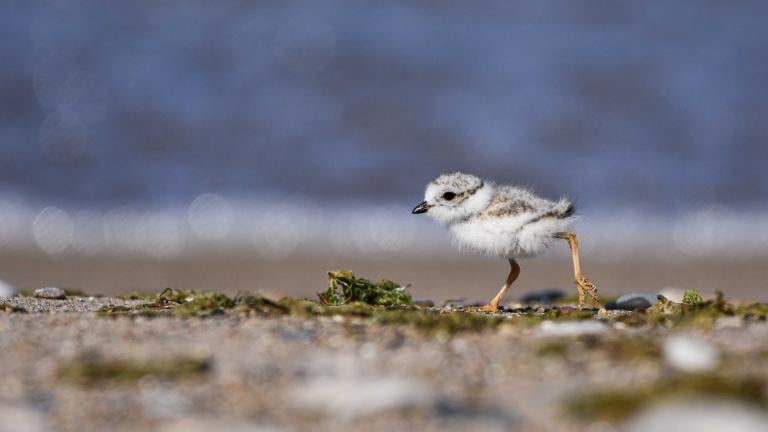
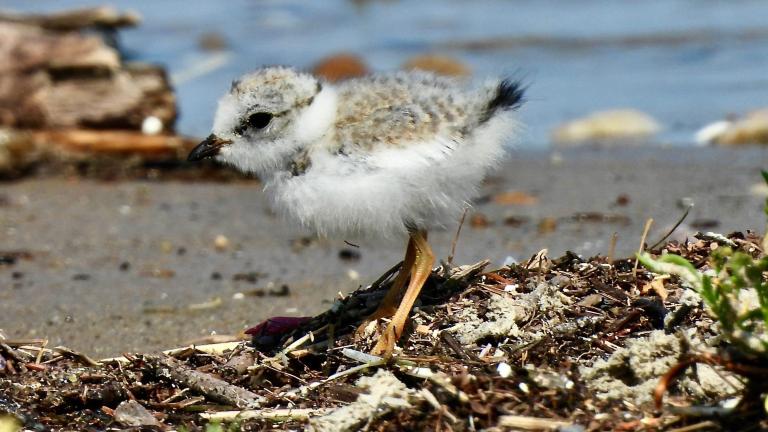
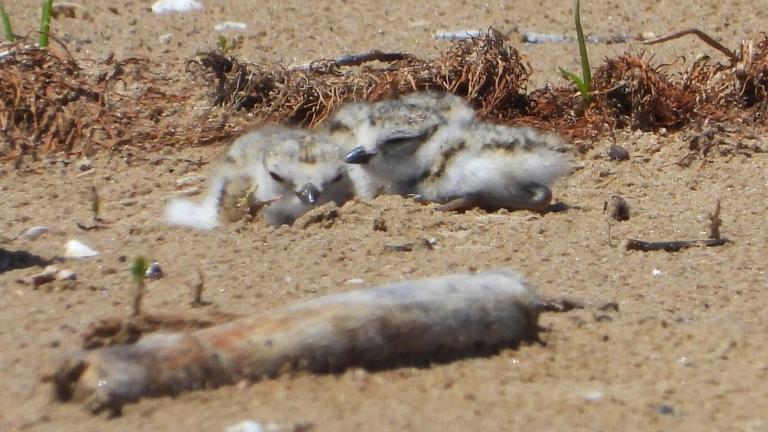
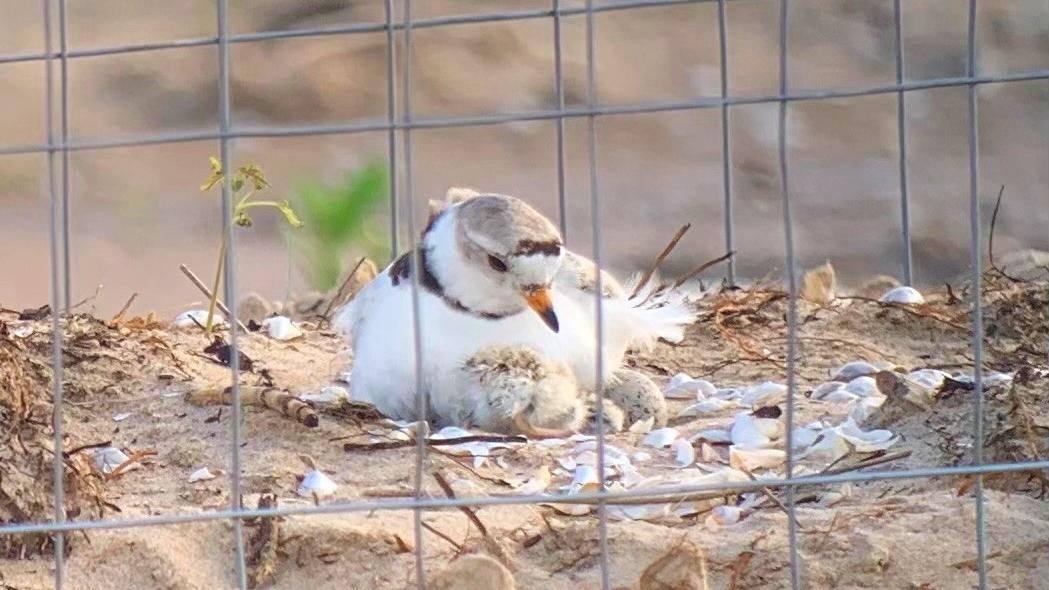 A newly hatched piping plover chick snuggles up to its parent at Montrose Beach, June 30, 2024. (Courtesy Chicago Piping Plover Watch)
In a heartbreaking turn of events, a third piping plover chick — hatched to much excitement just two weeks ago — has died, plover monitors have reported.
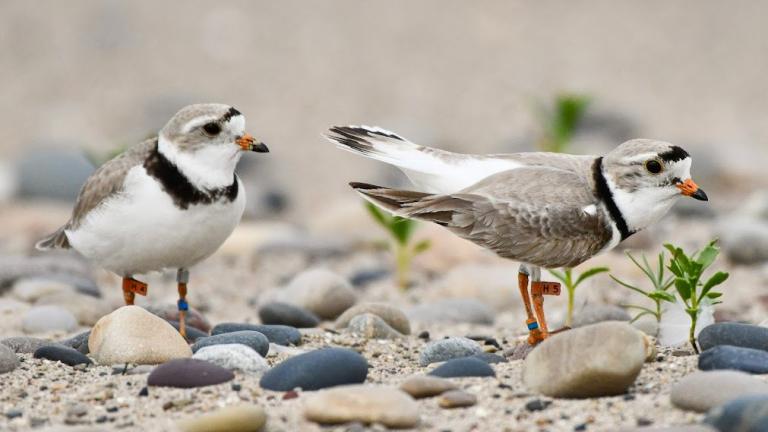
Only one chick now remains at Montrose Beach, the sole survivor of first-time parents Imani and Searocket.
Chicago Piping Plovers — the umbrella organization for the city’s plover monitors — shared the news via social media on Sunday night.
“We are working to understand the factors that have led to the demise of our precious chicks,” monitors said in a statement.
Monitors have been keeping a close watch on the chicks after one disappeared July 9 and was found dead on the beach the next day. On July 11, a second chick appeared to be lethargic and struggling and was taken to Lincoln Park Zoo, where it later died.
The chick was “exceptionally small,” weighing roughly 8 grams when it should have been closer to 15-20 grams, according to Jillian Braun, a spokesperson for the zoo.
The same scenario played out over the weekend with the third chick. After feeding and moving normally throughout the day Saturday, monitors noticed it, too, had become lethargic.
“There were no signs of external or internal injuries or illness,” monitors said.
The chick was taken to Lincoln Park Zoo, where it was provided warmth, oxygen and fluids, but died during the night.
Many of the plovers’ legions of fans are asking whether the surviving fourth chick should be removed from the beach as a precaution and captive-reared instead.
“That’s above our pay grade,” the Chicago Piping Plovers group responded.
Brad Semel, endangered species recovery specialist at the Illinois Department of Natural Resources, told WTTW News: “At this time there are not plans to retrieve the remaining chick, although that option was thoroughly vetted with the USFWS (U.S. Fish and Wildlife Service) and the Great Lakes Piping Plover Conservation Team.”
Lincoln Park Zoo’s veterinary and avian curator staff are assisting with care of compromised chicks, and veterinarians with the University of Illinois and the Wildlife Epidemiology Lab are helping to evaluate the situation, Semel added.
“All are working diligently to find the root cause of the mortalities we have experienced,” Semel said. “The remaining chick is the largest of the four and we are very hopeful it has gotten past the critical point where any compromised health related issues would prevent it from reaching successful fledging.”
Among the factors wildlife experts have to take into account: Chicks in isolation — and that would be the case at a zoo — often fail to thrive, said Francie Cuthbert, who's led the Great Lakes Piping Plover Research Team since the 1980s.
Keeping the chick with Imani "is very important for social reasons," Cuthbert said.
Even if the chick were taken to the Captive Rearing Center at the University of Michigan, where it could be placed with other similarly aged chicks, it would have to be quarantined in case of an undiagnosed disease, she noted.
Theories that the chicks may have suffered from heat stress, bird flu or pathogens in the water are all speculation, pending the results of necropsies (autopsies on animals) that could explain the cause of the chicks’ sudden deaths.
Initial results should be available in approximately two weeks, Braun said.
“We hope the fourth chick does not require (the zoo’s) attention, but we will be ready if that is in the best interest of the chick,” she added.
Three piping plover chicks that hatched this summer at Illinois Beach State Park all appear to be healthy.
Video: A seemingly healthy piping plover chick foraging at Montrose Beach, July 12, 2024. (Patty Wetli / WTTW News)
The loss of three chicks at Montrose Beach is a blow to all those who’ve avidly followed the saga of endangered piping plovers in Chicago, beginning with the arrival of Monty and Rose in 2019. The pair — the first piping plovers to successfully nest in Chicago since the 1950s — ultimately fledged three broods, the last of which, in 2021, produced Imani.
Monty and Rose also lost their share of hatchlings, and Monty himself died from a fungus at Montrose in 2022.
“Plovers have a tough life. Many things can affect survival of eggs, chicks and adults,” said Francie Cuthbert, professor emeritus at University of Minnesota and a leading expert on the birds. “Mortality is lower in some years than others. Loss of one chick or all four is not unusual.”
On average, half of chicks that hatch don’t survive to fledge and depart on migration, she said, and most that die simply disappear.
“We assume they’re lost to predators but other factors are involved — weather, disease, separation from parents following disturbance, injury, food availability, congenital issues,” Cuthbert said. “We rarely can confirm.”
Because piping plovers at Montrose Beach are monitored so closely, the ailing chicks were retrieved at the first sign of distress, but that’s not typical.
Even with necropsies conducted on the Montrose chicks, “we may learn about specific cause of death or we may never know for sure,” said Cuthbert.
The population of Great Lakes piping plovers is largely concentrated in northern Michigan and Wisconsin, with loss of habitat causing their numbers to plummet at one point to just a dozen breeding pairs. That number has rebounded in recent years to close to 80, which is still far short of the recovery goal of 150 breeding pairs.
As discouraging as the losses are at Montrose, in the bigger picture, the decision of Monty, Rose, Imani and Searocket to nest on an urban beach remains one of the best things to happen to piping plovers.
“Chicago’s interest in plovers has brought huge benefits to the conservation of these birds throughout the Great Lakes basin,” Cuthbert said.
Contact Patty Wetli: @pattywetli | (773) 509-5623 | [email protected]